Navratri and the Nine Forms of Navadurga: Nine Nights of the Divine Mother
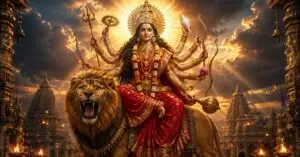
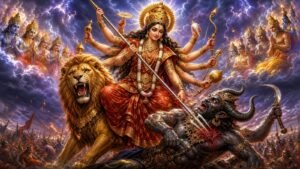
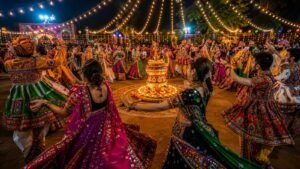
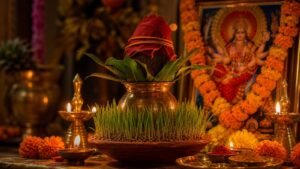
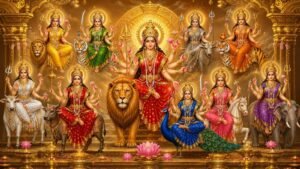
Navratri, meaning "nine nights", is the great Hindu festival of the Divine Mother, during which the nine forms of Goddess Durga, the Navadurga, receive worship

Navratri, meaning "nine nights", is the great Hindu festival of the Divine Mother, during which the nine forms of Goddess Durga, the Navadurga, receive worship

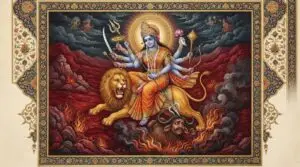
Kali, Durga and Parvati are not three separate goddesses but three forms of the one Adi Shakti, the primordial Divine Mother. Parvati is her gentle,

The Kamakhya Devi Temple in Guwahati, Assam, is widely regarded as the most powerful of all Shakti Peethas. It stands on Nilachal Hill, where the

Discover the Das Mahavidya origin story - how Sati became the ten wisdom goddesses to stop Shiva. Read the legend, meanings and how to begin worship.

Explore all 51 Shakti Peethas - locations, body parts, Devi & Bhairava in one table, plus legends, circuits & best time to visit. Plan your yatra now!

Discover the Sati Devi and Daksha Yagna story, Sati's self-immolation, and how the 51 Shakti Peethas were born. Read this devotional guide now.

Discover the complete guide to Maa Kali, the first of the ten Mahavidyas. Learn her Beej Mantra, Mool Mantra, worship benefits, major temples across India, travel guides, and the profound spiritual significance of the Dark Mother who dissolves fear and ego.

Explore the complete guide to Maa Tara, the second Mahavidya - the Star Goddess who guides seekers through the ocean of worldly existence. Learn her Beej Mantra, the famous Tarapith temple, worship benefits, and her unique connection to Buddhist tradition.

Discover Maa Tripura Sundari (Shodashi/Lalita), the third Mahavidya - the most beautiful goddess in all three worlds. Learn the sacred Panchadashi and Shodashi mantras, Sri Vidya traditions, Sri Yantra meditation, and her supreme position in the Tantric tradition.

Learn about Maa Bhuvaneshwari, the fourth Mahavidya and Queen of the Universe. She creates the cosmic space for all existence. Discover her Beej Mantra 'Hreem', worship benefits, temples, and how her mantra opens infinite possibilities.
These Mahavidya guides are companions to the music. Where a mantra video gives you the sound, the writing here gives you the meaning: who each goddess is, what her mantra asks of you, and how her worship has been practised for centuries.
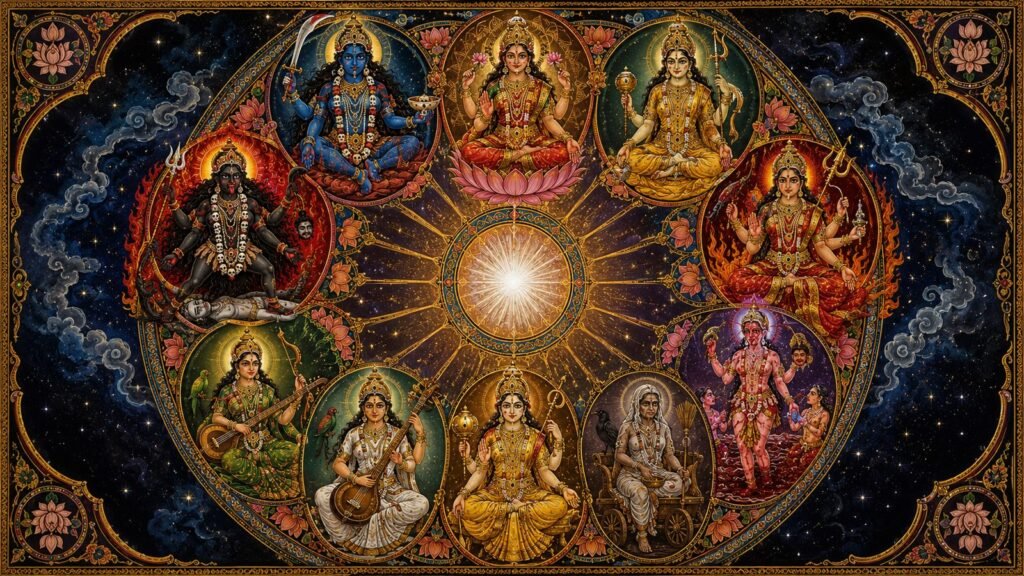
At the heart of the collection sit the ten wisdom goddesses of the Shakta tradition. Each has her own complete guide, covering her origin, her beej mantra, her temples and her sadhana. Read together, these Mahavidya guides trace a single path from Kali, the first and fiercest, through to Kamala, who returns the seeker to abundance and grace.
Around them stand the stories that hold the tradition together. You will find the origin story of the Das Mahavidya, the tale of Sati Devi and Daksha’s yagna, and a guide to the 51 Shakti Peethas formed when her body fell to the earth. These pieces give the Mahavidya guides their context: the grief, the fire and the love from which the ten forms first appeared.
Every article draws on the Puranic and Tantric sources - the Shiva Purana, the Devi Bhagavata Purana, the Mahabhagavata Purana and the Tantras - and says plainly where the accounts differ, because they often do. Where traditions disagree, we set out both rather than flatten them into one tidy version.
If you are new to Devi worship, begin with the reading rather than the ritual. Understanding why a goddess is invoked, and what her beej mantra actually means, changes how the chant lands. Practice follows understanding, and these Mahavidya guides exist to make that understanding available in plain language without diluting the tradition.
Read in any order you like. Many begin with Maa Kali and follow the series from there, pairing each article with its mantra video so that sound and meaning arrive together.
Join the Musinara community on YouTube for new 432 Hz mantra chants, sacred instrumentals and meditation music every week.
► Subscribe on YouTube