
A small studio,
a vast tradition.
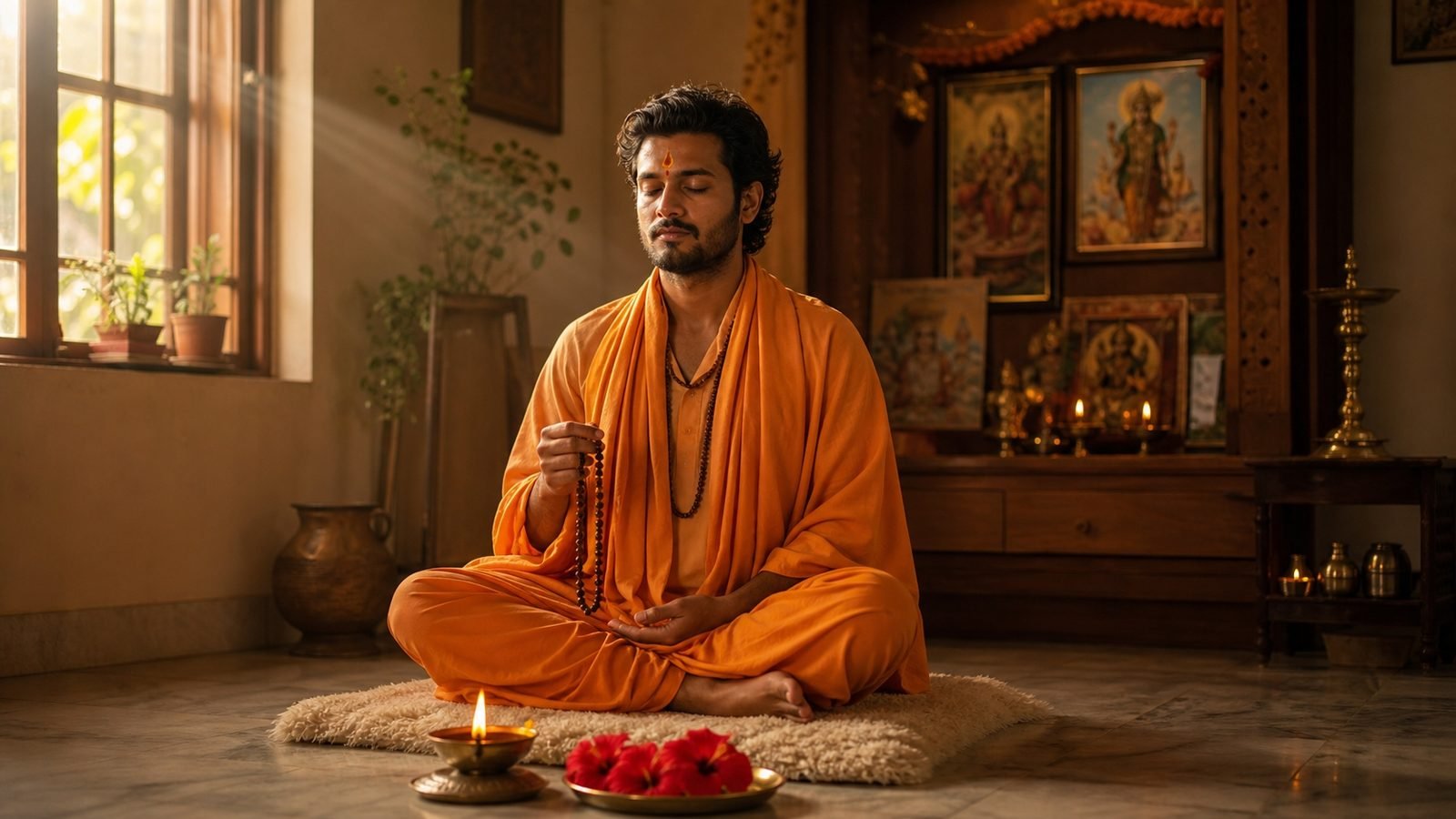
Musinara Sounds began as a quiet devotional practice - a single mantra, repeated until it becomes music.
Why we make this music
India has gifted the world a sacred sound technology - mantra. Each syllable is engineered for stillness; each raga is a doorway to a particular feeling. We don’t reinvent these. We translate them - gently - for modern listening.
Whether it’s 108 repetitions of a bija mantra or an āradhana flute meditation for Shri Ram, every release is a small offering on the altar of attention.
For transparency: most of our tracks are created with the aid of AI tools. We say so openly - the devotion is human, the craft is shared with the machine.
Four streams of devotion.
Mantra
Sacred syllables and bija mantras, repeated 108 times for meditation and japa.
Instrumental
Flute, tabla and tanpura soundscapes set against traditional ragas.
Meditation Music
Long, ambient soundscapes for sleep, focus and stillness.
Educational
Short explainers on the meaning, pronunciation and benefits behind the sounds.
Guides on Musinara
Devi Temples of India
20 temple guides
Timings, tickets, how to reach and the legend of each shrine, arranged by region. Read the guide
Navratri 2026 at the Temples
11 to 20 October
What happens at Mysuru, Vijayawada, Vaishno Devi, Kamakhya and other temples this Navratri. Read the guide
Das Mahavidya
The ten wisdom goddesses
Names, mantras and a full guide to each of the ten Mahavidyas. Read the guide
Shakti Peeth List
51 sites and the legend
Where each part of Sati is said to have fallen, and how the lists differ. Read the guide
Devi Worship for Beginners
Start at home
The minimum altar and a short daily sequence of lamp, mantra and offering. Read the guide
Devi Calendar
2026-27 dates
Navratri, Ashtami, Amavasya and Purnima dates in one place. Read the guide
How We Research
Official sources first
Temple timings, fees and travel details are checked against temple trusts, state governments and tourism departments, and the source is linked under each table. Where sources disagree, the guide says so instead of guessing.
Real photographs of real places
Temple photographs are licensed from Wikimedia Commons and credited to their photographers. Artwork of the goddesses is labelled as illustration and never presented as a photograph of a temple.
Open about AI
Our music is made with the help of AI tools, and so are some illustrations. We say so where it matters. Facts on this site are tied to the sources we cite.
Join us on YouTube.
Every new release drops first on the channel. Check in - and you’re in.